

Multi-disease risk screening model
MAUK R&D · applied machine learning
Risk scores for ten conditions from 25 routine measurements, trained on 281,000 records and private enough to run on the patient's own device.
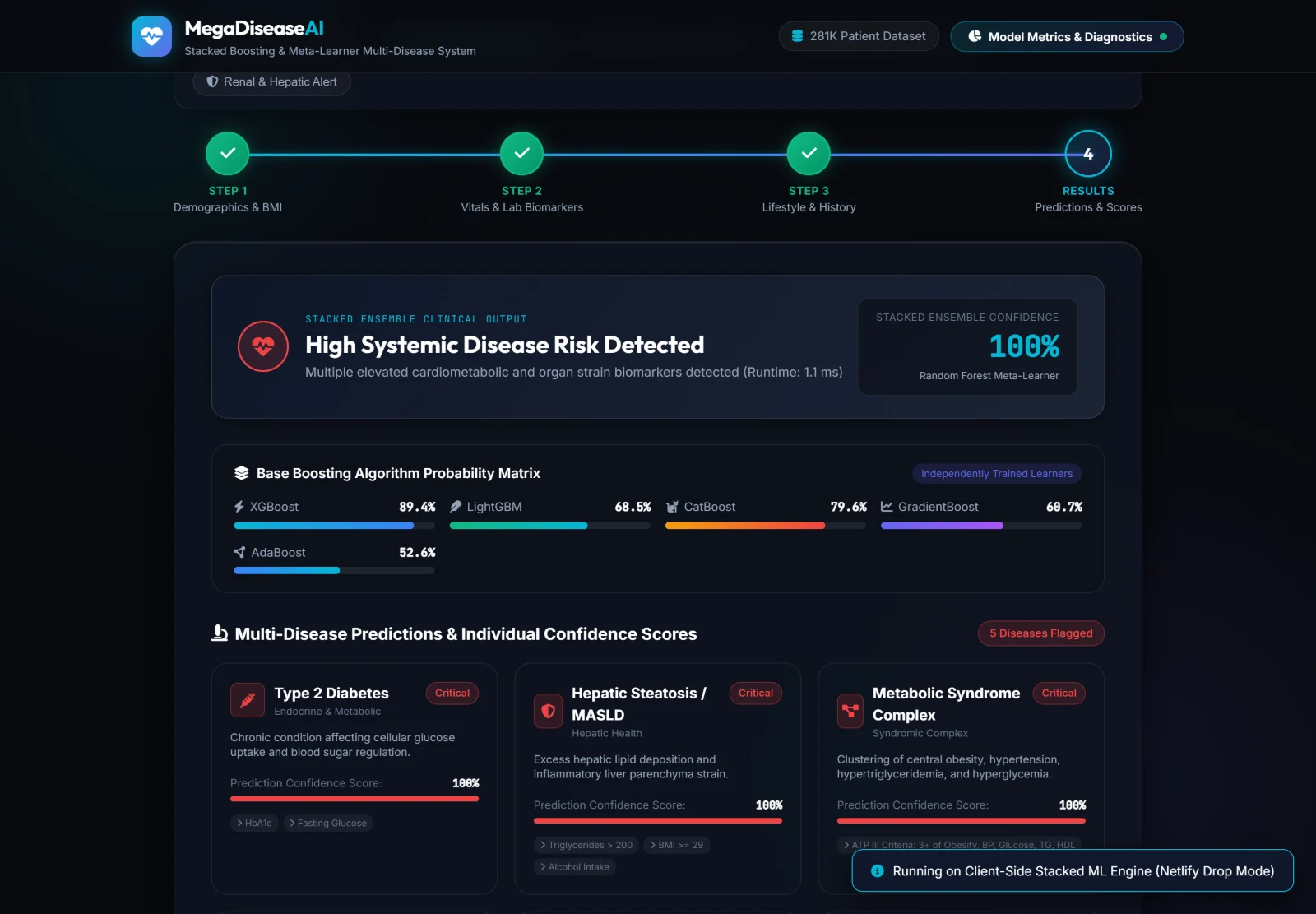
A screening tool that takes 25 routine health measurements and returns a risk score for ten conditions at once, each with its own confidence figure. It runs entirely in the browser, so a prediction takes about a millisecond and no health data is ever sent anywhere. It is a research and teaching build, not a medical device.
- What it is
- AI system
- Industry
- Healthcare
- Status
- Live
- Year
- 2026
A research and teaching build. It is not a medical device and gives no medical advice.
The problem
What needed solving
Screening models are usually judged on one headline accuracy number, which hides the thing that matters in health: missing a sick patient is far worse than sending a healthy one for a second look. The model also had to be honest about its own limits, and light enough to run without a server.
The solution
What we built
A four-step health questionnaire that ends in a full risk report, backed by a model tuned to catch at-risk patients and a diagnostics panel that shows exactly how it performs.
Core functionality
- Ten conditions scored at once, each with a confidence figure
- 25 inputs across demographics, vital signs, lab results and lifestyle
- Five ready-made patient profiles for quick testing
- Built-in BMI calculator and reference ranges on every field
- Each condition names the measurements that drove its score
- A diagnostics panel showing accuracy and exactly where the model gets it wrong
Screens
More screenshots
Captured from the live site, a demo workspace, or the product running on sample data. No customer records, passwords or private admin data are shown.
Business impact
What it achieved
86.88%
accuracy on patient records the model never saw
Against 87.56% on its training data, a gap of just 0.69 points.
Verified95.40%
of at-risk cases correctly flagged
233 missed cases against 4,834 correctly detected in the 8,000-record test set.
Verified281k
patient records in the source dataset
Verified~1 ms
per prediction, on the device
With no server call.
Verified
What sets it apart
Why it works
- 01
Built to miss fewer sick patients
The model deliberately accepts some extra false alarms so that far fewer at-risk patients slip through, and shows that trade-off in plain numbers.
- 02
No health data leaves the device
Predictions run in the browser itself, privately and instantly, with no server involved.
- 03
Clinical rules on top
Established thresholds override the model where medicine is clear, such as an HbA1c result in the diabetic range.
- 04
Honest about its weak spot
Heart disease is rare in the data and its scores are less precise. The project says so instead of hiding it behind overall accuracy.
Services
Where this work fits
Related projects
Similar projects
 MAUK productVerified
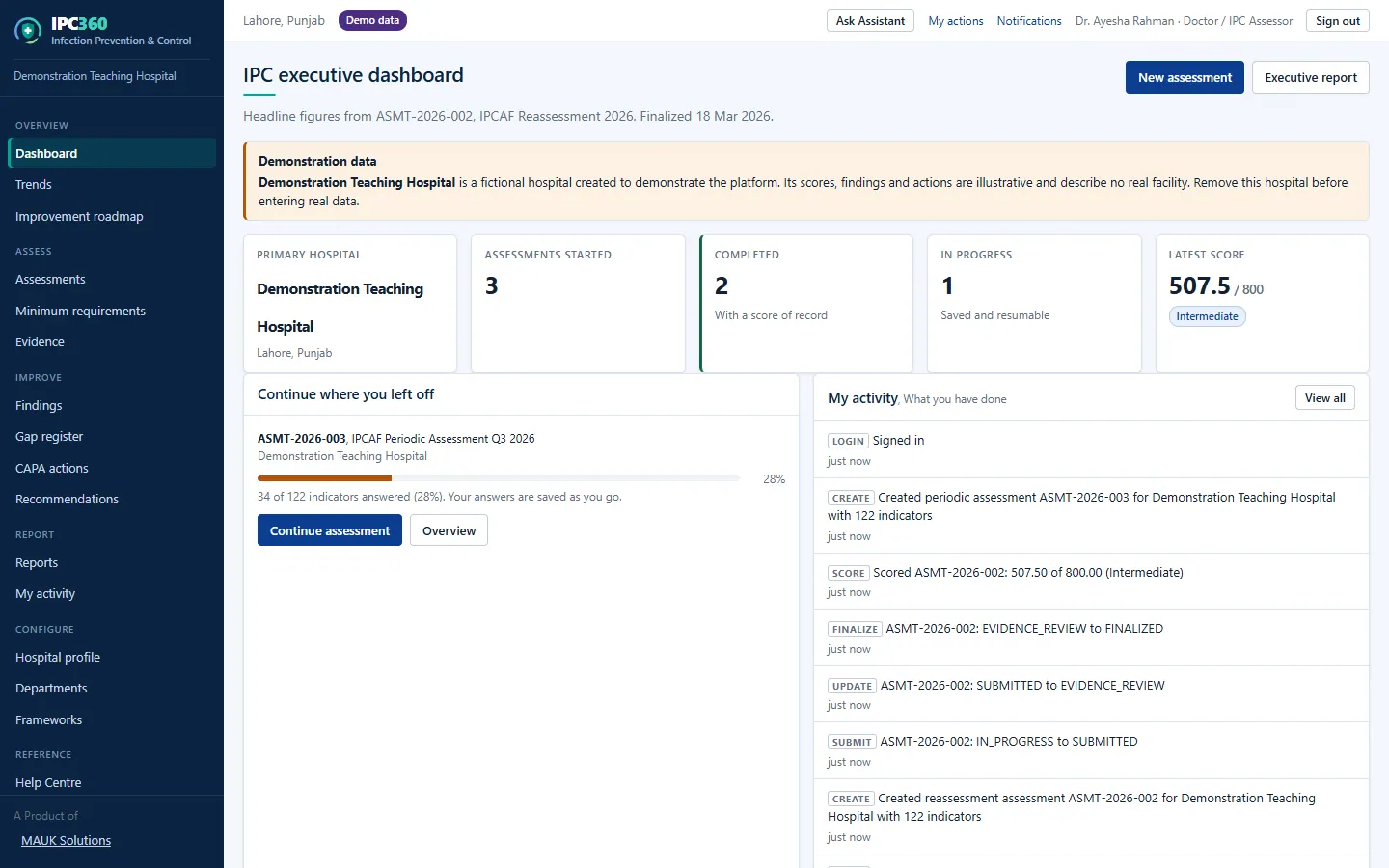
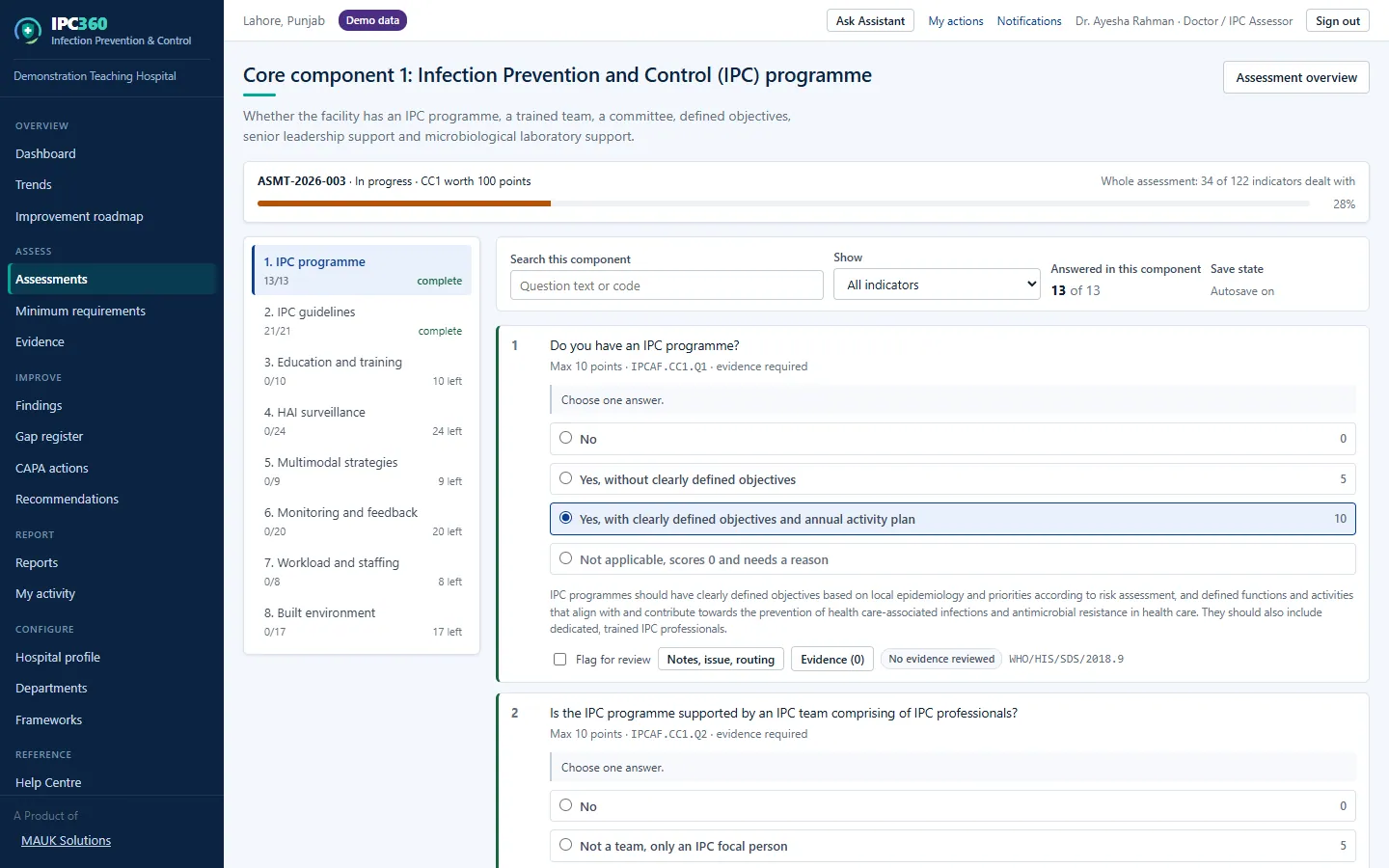
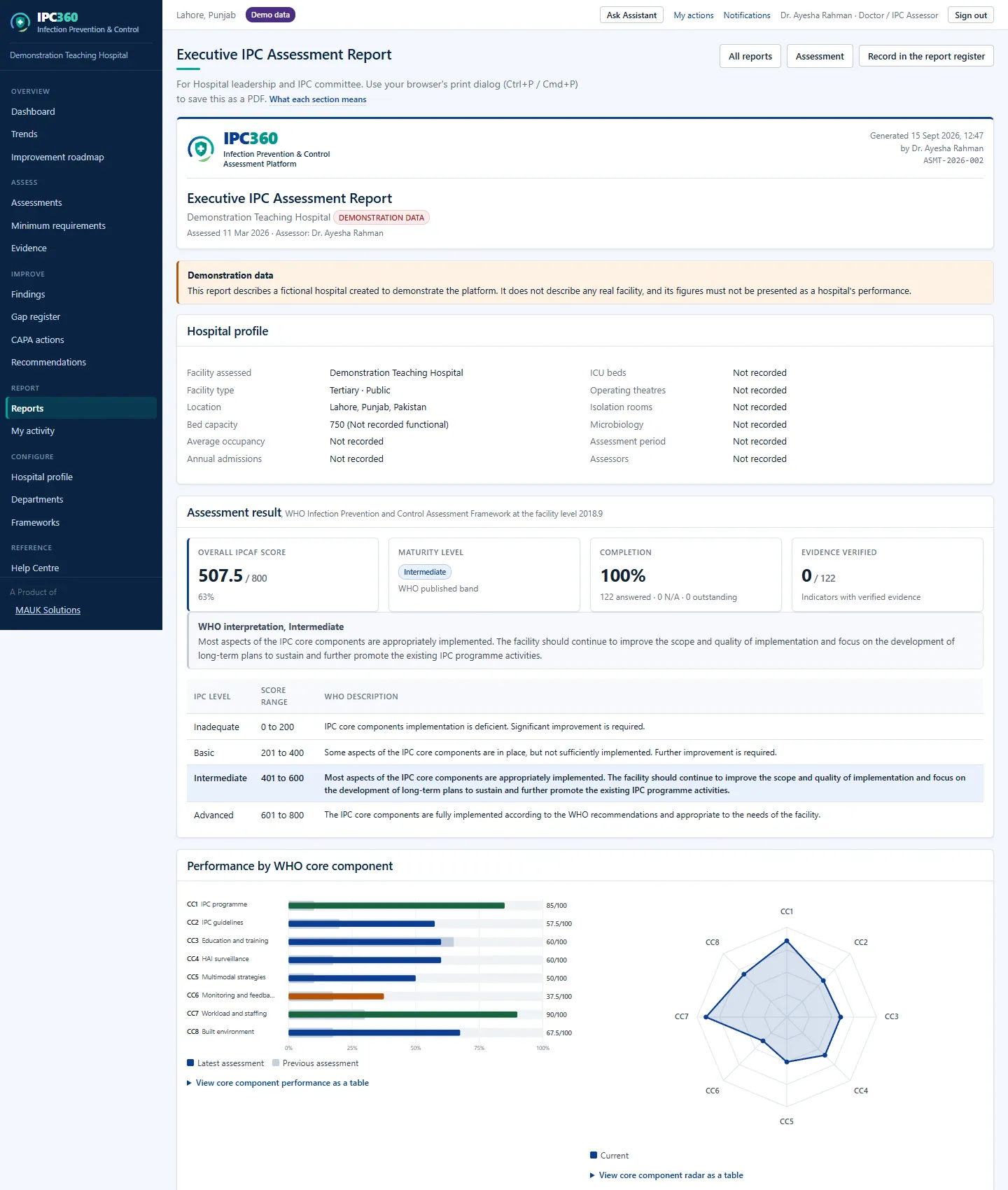
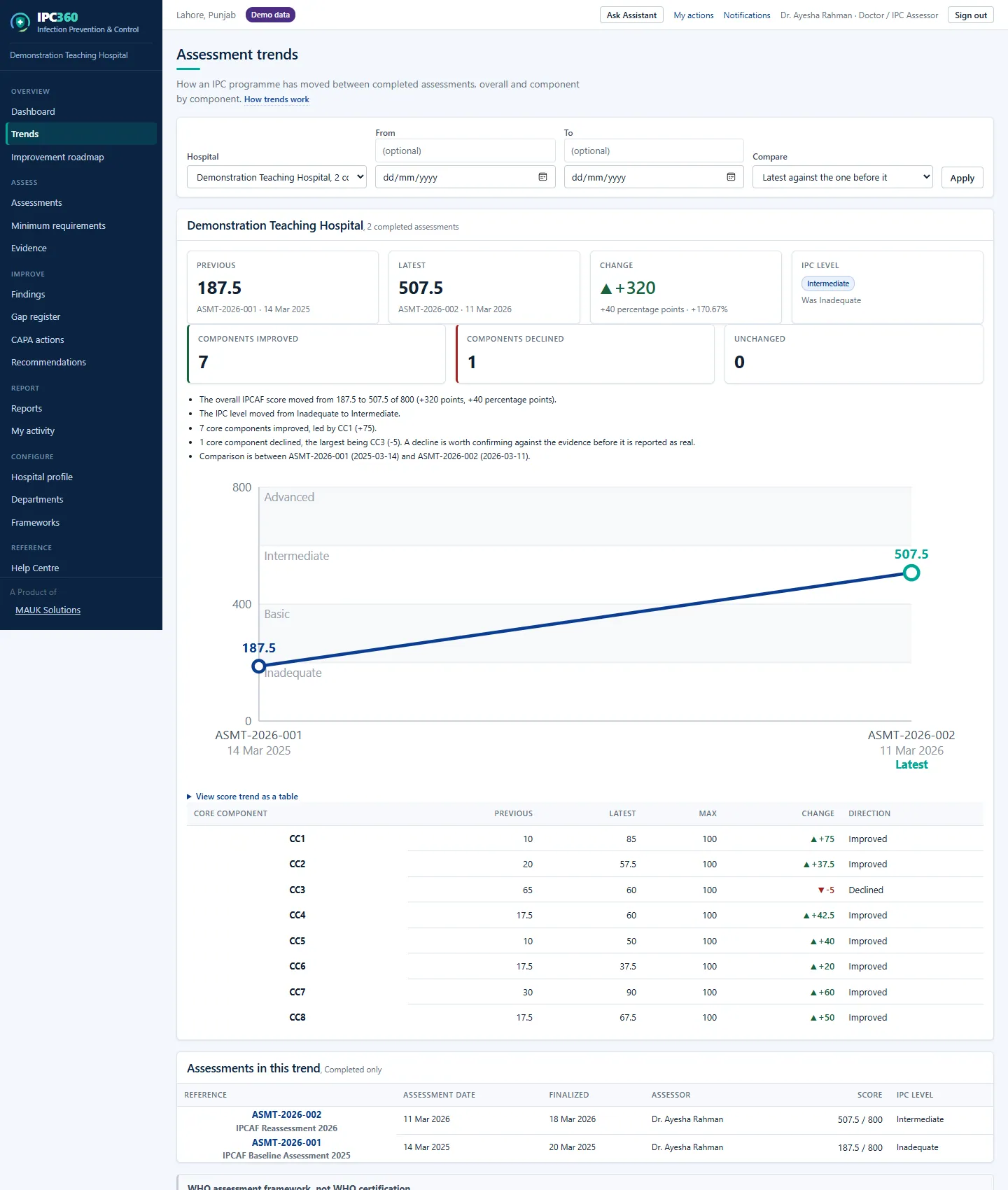
IPC360 infection prevention assessment platform
MAUK product · hospital infection prevention & control
Hospitals assess their infection prevention programme, see the gaps and track every improvement to a report leadership can read.
Custom software · Data
View project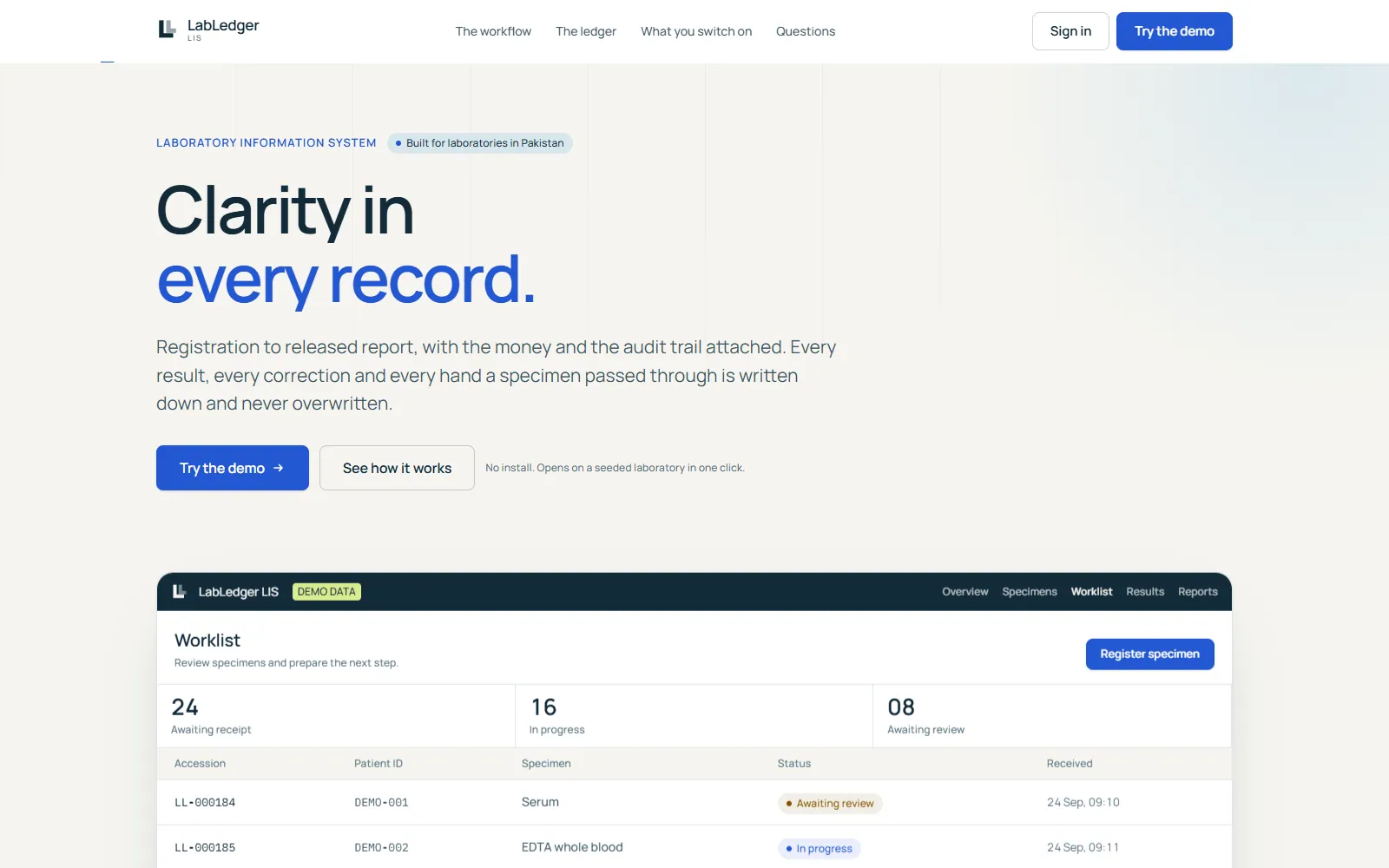 LiveMAUK productVerified
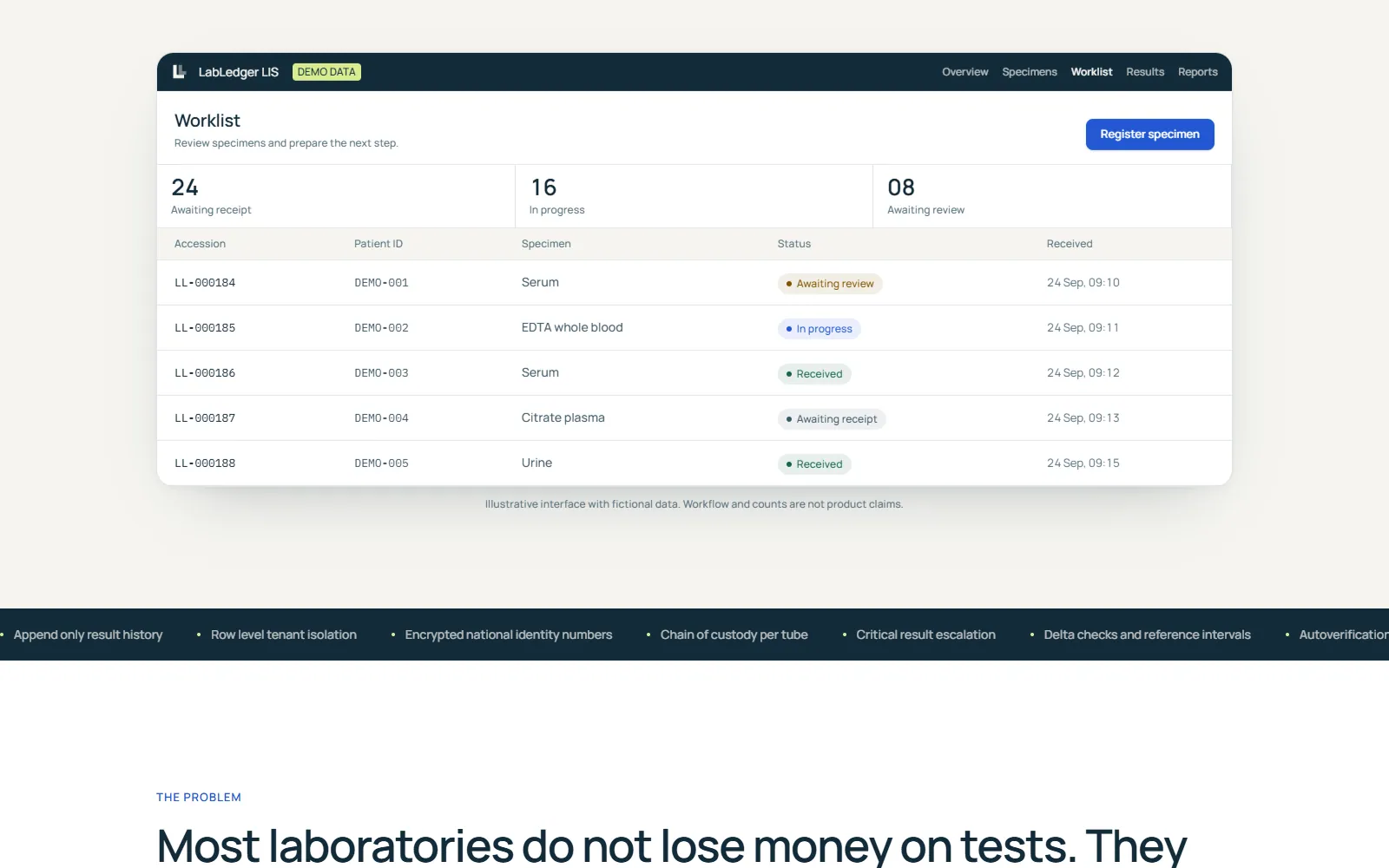
LabLedger laboratory information system
MAUK product · hospital & diagnostic laboratories in Pakistan
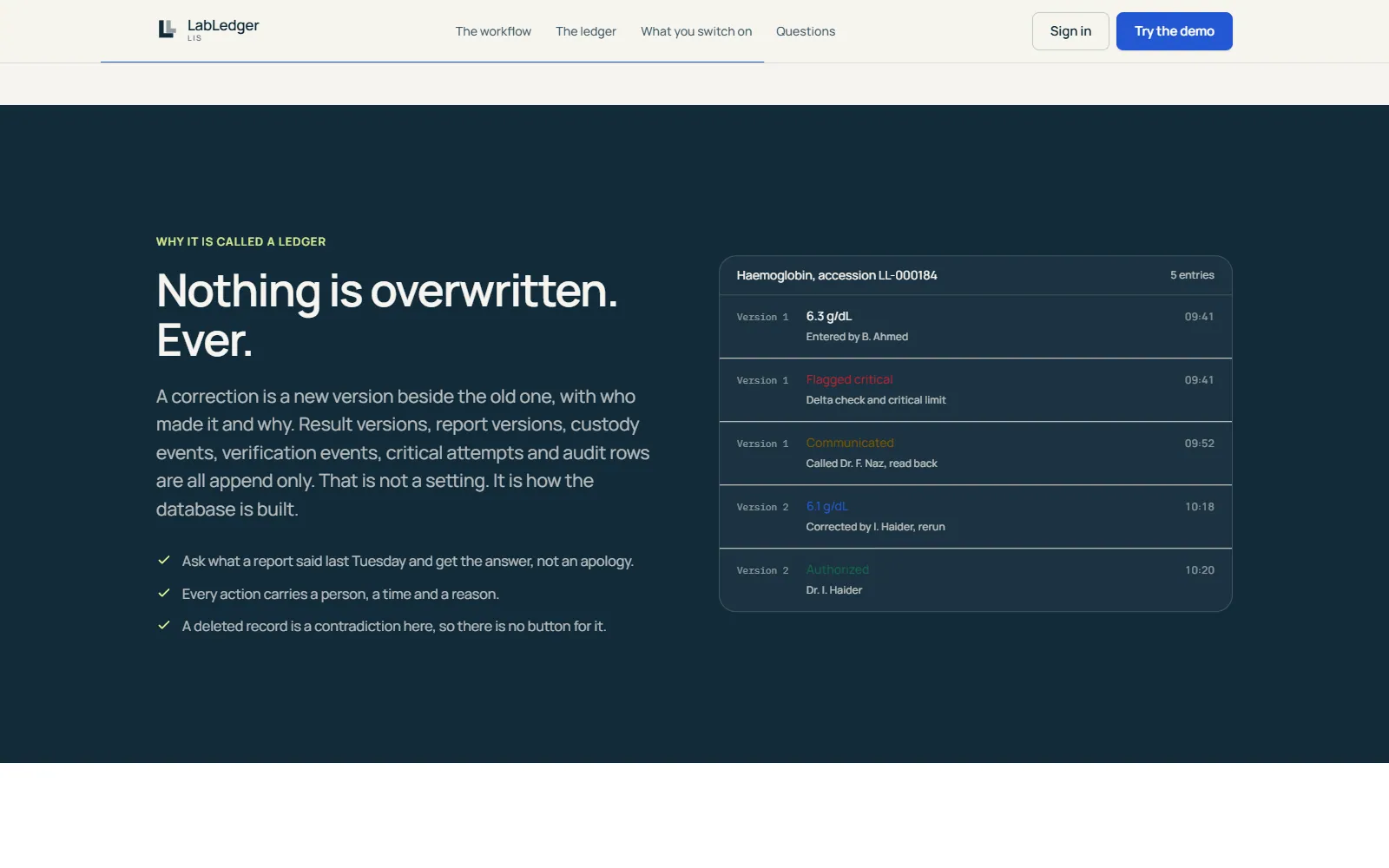
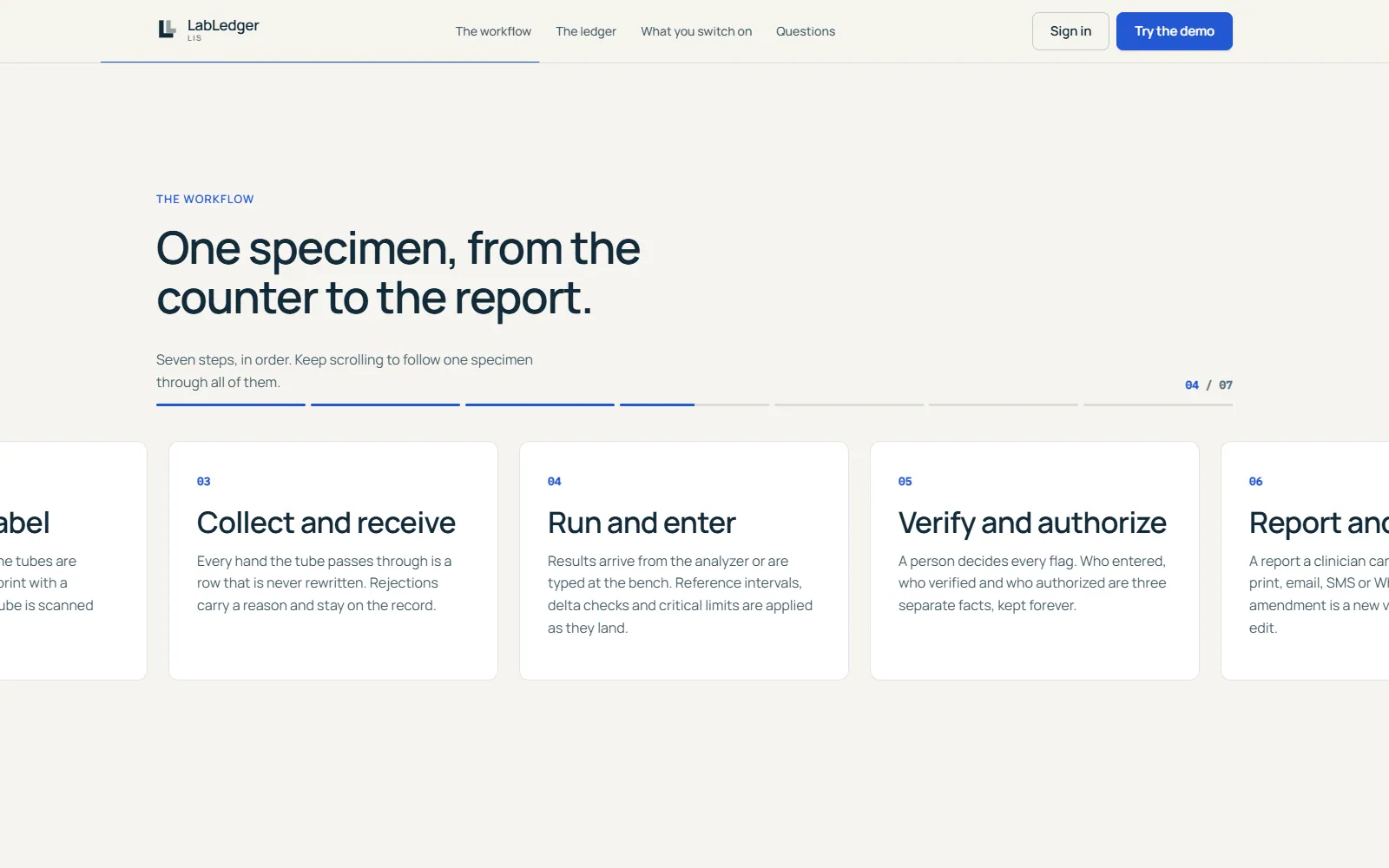
Registration to released report, with the money and the audit trail attached, and nothing ever overwritten.
3editions, from a single small lab to a hospital network
Custom software
View project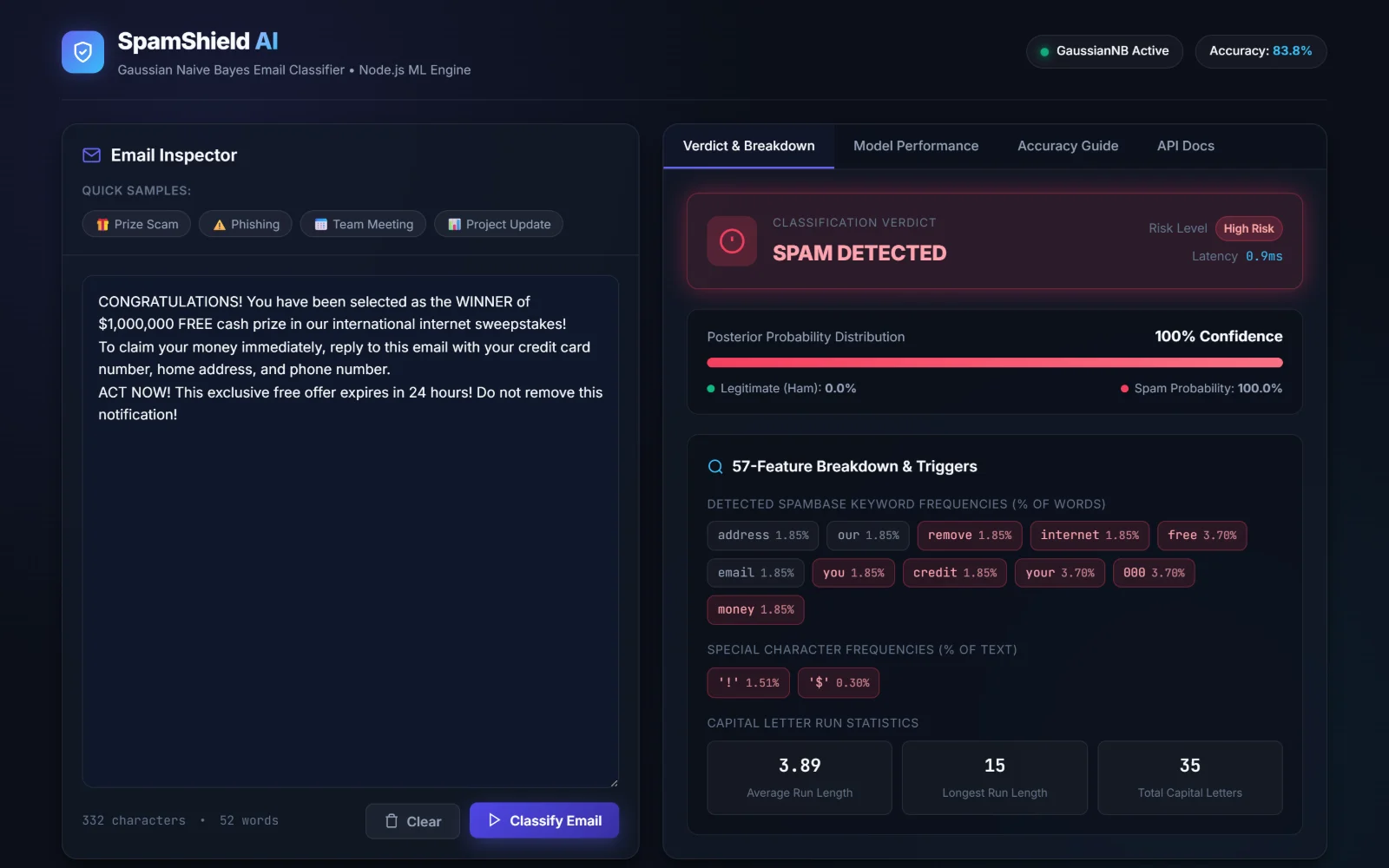 LiveIn-house buildVerified
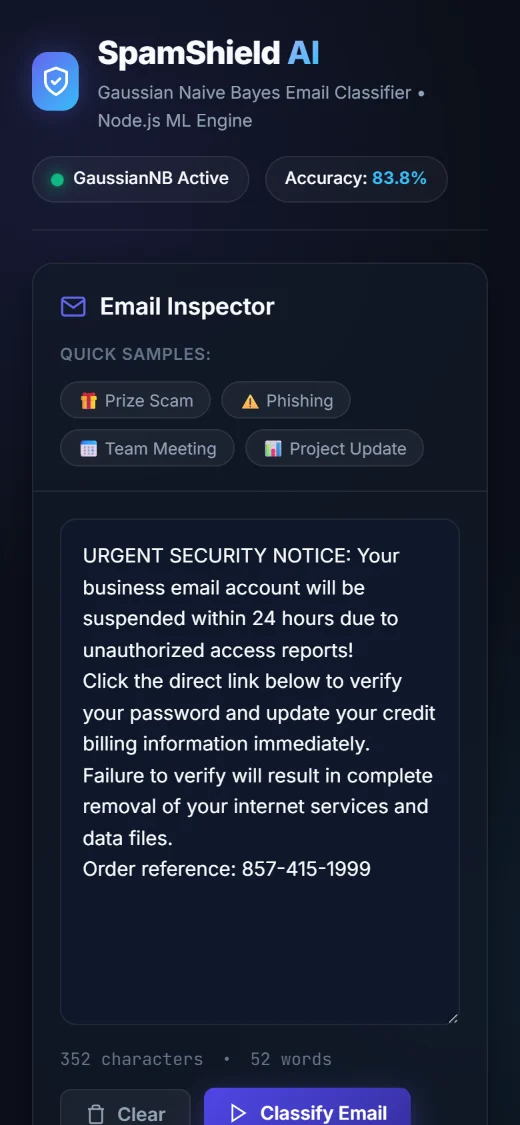
SpamShield email classifier
MAUK R&D · applied machine learning
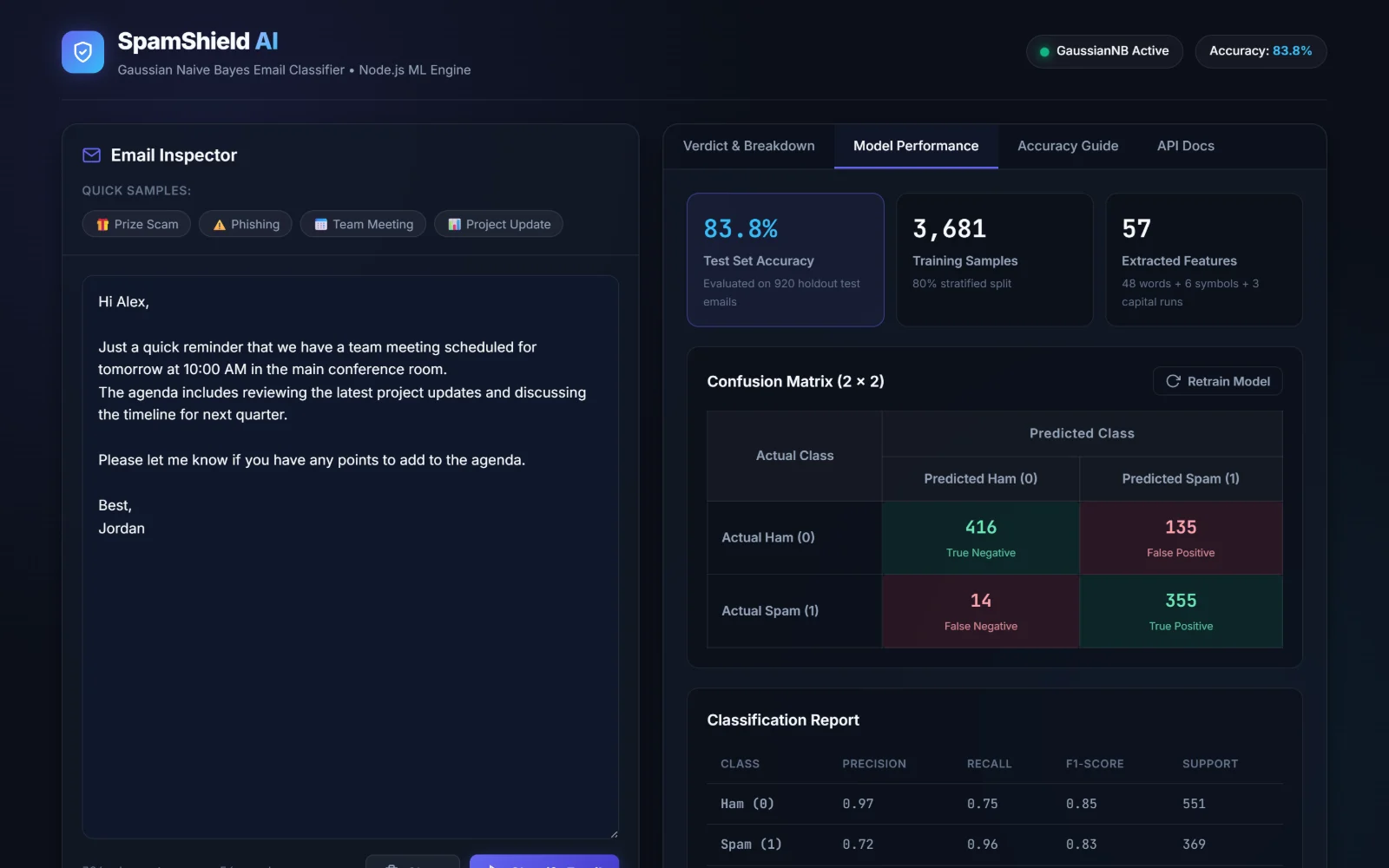
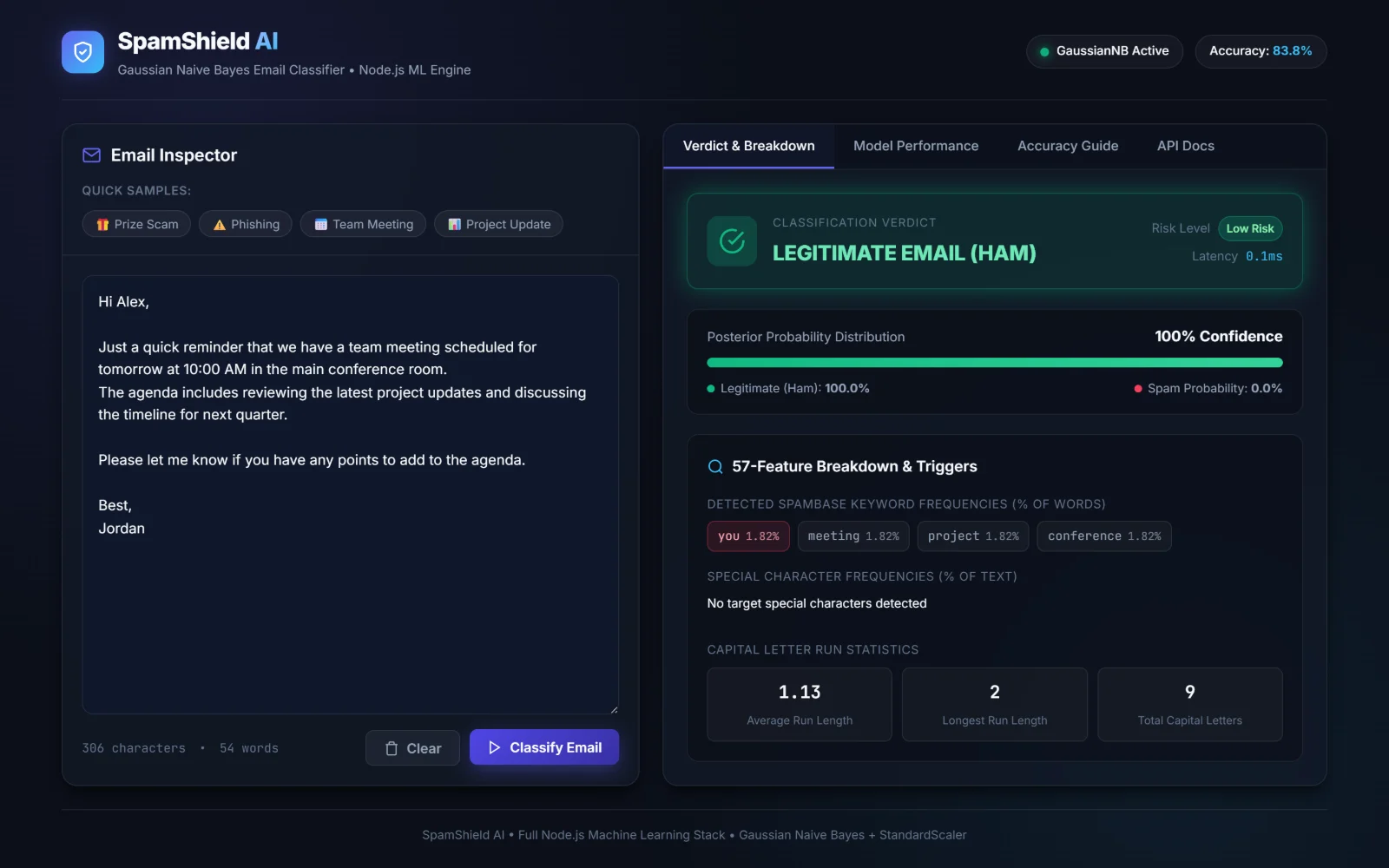
A spam classifier built from first principles that explains every verdict it gives.
83.8%accuracy on 920 emails the model never saw
Machine learning
View project
Discuss a similar project
Building something like Disease risk screening?
We'll tell you what we'd reuse, what we'd change and what it would take.